
Bringing joy, hope, and resources to
children fighting cancer in the DMV.
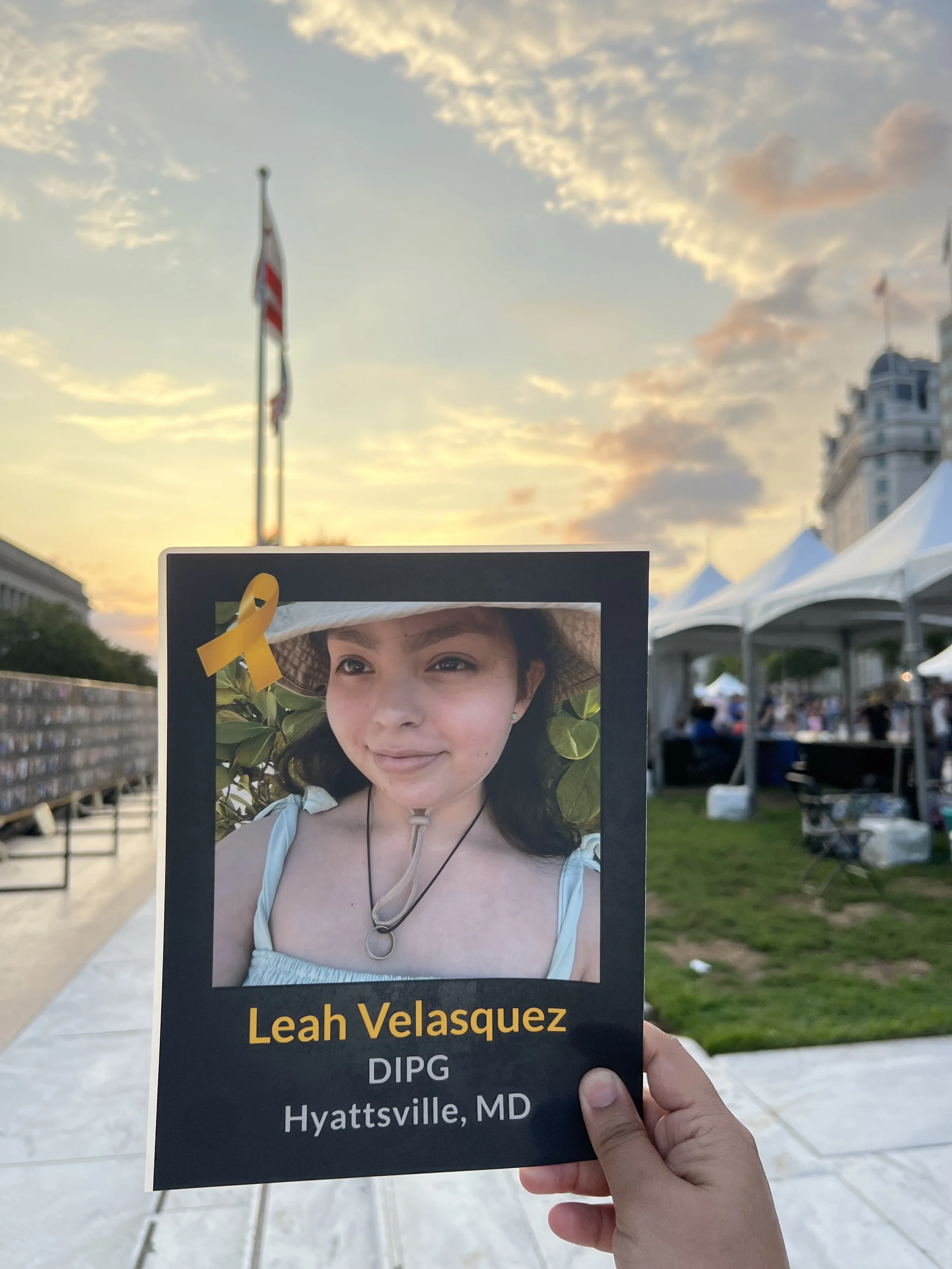
LIVS Creative Legacy was founded in memory of Leah — a bright, creative girl who fought brain cancer with grace and joy. Her story inspired our family to ensure no child or family faces this journey alone, and that every child's voice is heard, honored, and amplified.
What We Do
Our Initiatives
Three programs, one mission: ensuring every child fighting cancer and every family supporting them never feels alone.
Toy Drive
Twice a year, we deliver toys and comfort to children in treatment at Children's National, Sibley Memorial, and Capital Caring Kids — because every child deserves a moment of joy.
Leah's Book Club
We bring the magic of stories to hospital oncology units — delivering age-appropriate books in English and Spanish to spark imagination and ease the long hours of treatment.
Advocacy
From state proclamations to federal sign-on letters, we fight for awareness and policy change — including proclamations for Pediatric Brain Cancer Awareness Month in MD, VA, and GA.
❊ Recent Updates
What We've Been Up To
2025 Christmas Toy Drive — A Success!
A heartfelt thank you to all our donors who made our 2025 Christmas Toy Drive a success. Your generosity brought joy and comfort to children battling cancer at our hospital partners across the DMV. We look forward to our next drive — follow us on Instagram and Facebook for updates.
Now Listed in The Childhood Cancer Hub
LIVS Creative Legacy is now listed in The Childhood Cancer Hub — a community-driven directory of organizations that support children and teens with cancer, survivors, and their families, maintained by the Coalition Against Childhood Cancer. Looking for support? Search the Hub to find us and other resources near you.
Introducing Leah's Book Club
We are thrilled to announce the launch of Leah's Book Club — delivering age-appropriate books in English and Spanish to children in oncology units and hospital waiting rooms. Stories have the power to spark imagination and bring comfort during the hardest of times. A special thank you to our inaugural sponsor for making this possible.
❊ Childhood Cancer Facts
The Reality of Childhood Cancer
Understanding the scope of the problem is the first step toward solving it. These facts — sourced from CAC2's annual Fact Library — are why we show up every day.
In 2025, an estimated 9,550 children (ages 0–14) and 5,140 adolescents (ages 15–19) will be diagnosed with cancer in the US.
There are more than 12 major types of pediatric cancers and over 100 subtypes — childhood cancer is not one disease.
Leukemia is the most common childhood cancer (ages 0–14), accounting for 28% of cases, followed by central nervous system tumors (27%).
The average age at diagnosis is 10 years overall, 6 years old for children and 17 for adolescents — compared with a median of 66 for adults.
Survival varies enormously by cancer type — from over 90% for the most common leukemia (ALL) to just 2.2% for DIPG, the deadliest childhood brain cancer.
DIPG has a median survival of only 11 months, and only 10% of patients survive 2 years or more — despite numerous clinical trials.
The 5-year survival rate has improved from 58% in the mid-1970s to 85% today — but progress is uneven across cancer types.
As of 2020, nearly 496,000 survivors of childhood and adolescent cancer are estimated to be alive in the US.
Late effects are common: 1 in 3 survivors suffer severe, chronic side effects; another third face moderate to severe health problems.
Survivors are 57% more likely to develop depression, 29% more likely to develop anxiety, and 56% more likely to develop psychotic disorders compared to healthy peers.
Childhood cancer survivors face a 15-fold increased risk of congestive heart failure and a 7-fold higher risk of premature death from cardiac causes.
Life expectancy for five-year survivors treated in the 1990s is 57.1 years — compared to a normal life expectancy of 77.5 years.
📋 CAC2 Survivorship Toolkit ▸While more than 200 cancer drugs have been approved for adults, only 64 drugs have been approved for use in childhood cancers through December 2024.
1 in 4 families lose more than 40% of their annual household income due to treatment-related work disruption.
1 in 5 children who receive a new cancer diagnosis are already living in poverty at the time of diagnosis.
The median lag time from first-in-human to first-in-child trials of oncology drugs approved by the FDA was 6.5 years.
Cancer is the second most common cause of death among children ages 1–14, after accidents.
In 2025, an estimated 1,050 children (ages 0–14) and 600 adolescents (ages 15–19) are expected to die from cancer.
Brain cancer represents 25% of total childhood cancer deaths; leukemia accounts for 28%.
Despite progress, long-term survivors of childhood cancer are at 4 times the risk of death compared to the general aging population.
Childhood cancer threatens every aspect of a family's life — which is why optimal care must include psychosocial support alongside medical treatment.
Parents report significant worsening of their own health behaviors in the 6–18 months following their child's diagnosis, including poorer diet, less physical activity, and less time on enjoyable activities.
Siblings of children with cancer are at elevated risk for anxiety, depression, and PTSD, and experience disruptions to routines, school performance, and peer relationships.
Treating pain, symptoms, and stress enhances quality of life and is as important as treating the disease itself.